A good toddler diet is built from variety, routine and responsive feeding. Food pages should support growth monitoring, not promise to reverse stunting or treat severe undernutrition from a screen.
Updated: best foods for 1-3 year old child in India
Not official. This independent site links to official Poshan Tracker and WHO resources, but it is not a government portal.
Food guidance should support growth monitoring without promising a cure from one meal plan.
12 months9.6 kg
24 months12.2 kg
60 months18.3 kg
Think in food groups, not magic foods
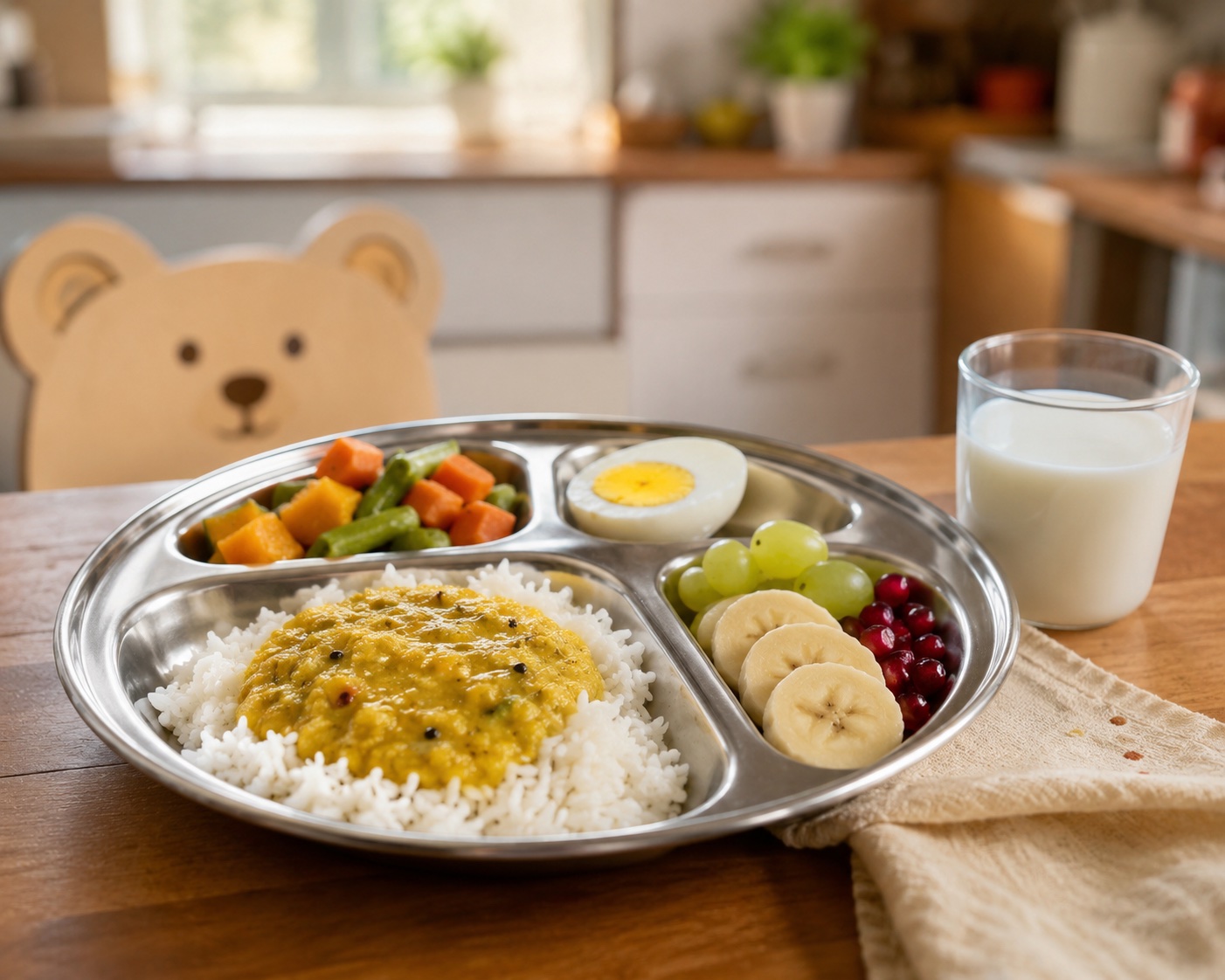
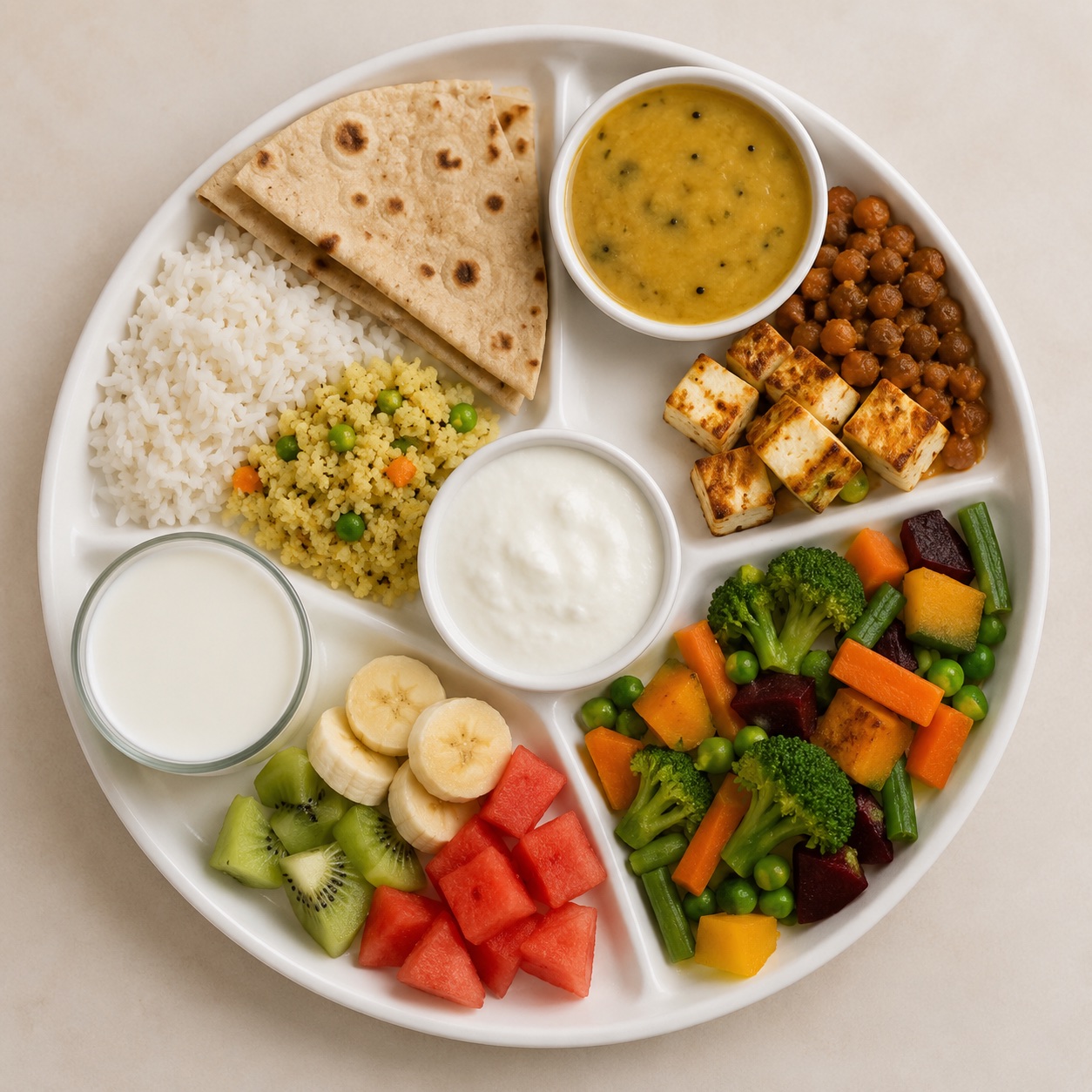
For many Indian families, practical meals come from familiar foods: rice, roti, dal, khichdi, curd, milk, eggs where eaten, seasonal vegetables, fruit and safe snacks. The goal is variety across the week, not one perfect plate every day.
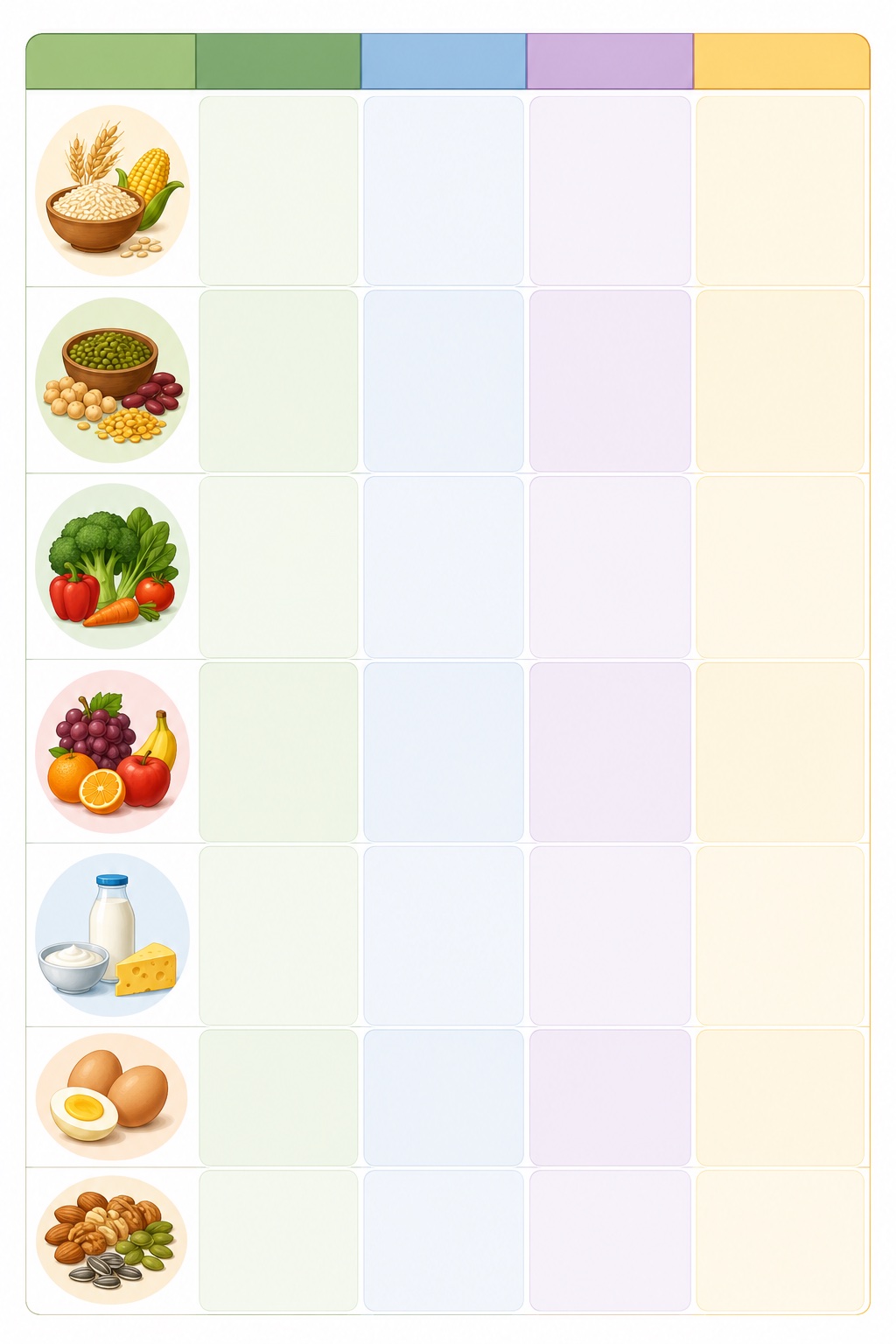
Food group ideas for toddlers aged 1 to 3
Food group
Examples
Why it helps
Grains
Rice, roti, dosa, idli, upma, poha
Energy for play and growth.
Pulses and legumes
Dal, chana, rajma, sprouts, khichdi
Protein and minerals when served regularly.
Vegetables
Green leafy vegetables, carrot, pumpkin, beans
Micronutrients and meal variety.
Fruits
Banana, papaya, orange, guava, seasonal fruit
Vitamins, fiber and easier snacks.
Dairy or alternatives
Milk, curd, paneer where tolerated
Protein, calcium and energy.
Eggs or other protein foods
Egg, fish, chicken where culturally used
Dense protein and micronutrients.
Variety across food groups is more useful than repeating one superfood.
Link food advice to growth monitoring
If a child is growing steadily, food guidance can focus on routine, variety and responsive feeding. If weight or MUAC is low, food advice should not delay direct review, especially when the child has poor appetite, illness, swelling or rapid weight loss.
Meal routines, appetite and illness history all matter alongside the food list.
Avoid overpromising
Competitor food articles often chase search volume with strong claims. PoshanTracker.org should use safer wording: foods can support growth, but they do not diagnose or treat severe malnutrition by themselves.
This is important for trust. A health-adjacent blog builds authority by saying what it knows, citing sources and clearly naming when a trained worker should be involved.
Use food groups as planning prompts, not as rigid prescriptions.
A simple weekly planning habit
Across a week, try to include grains, pulses or other protein foods, vegetables, fruit and dairy or culturally appropriate alternatives. Keep portions small enough for the child, offer patiently and watch appetite changes after illness.
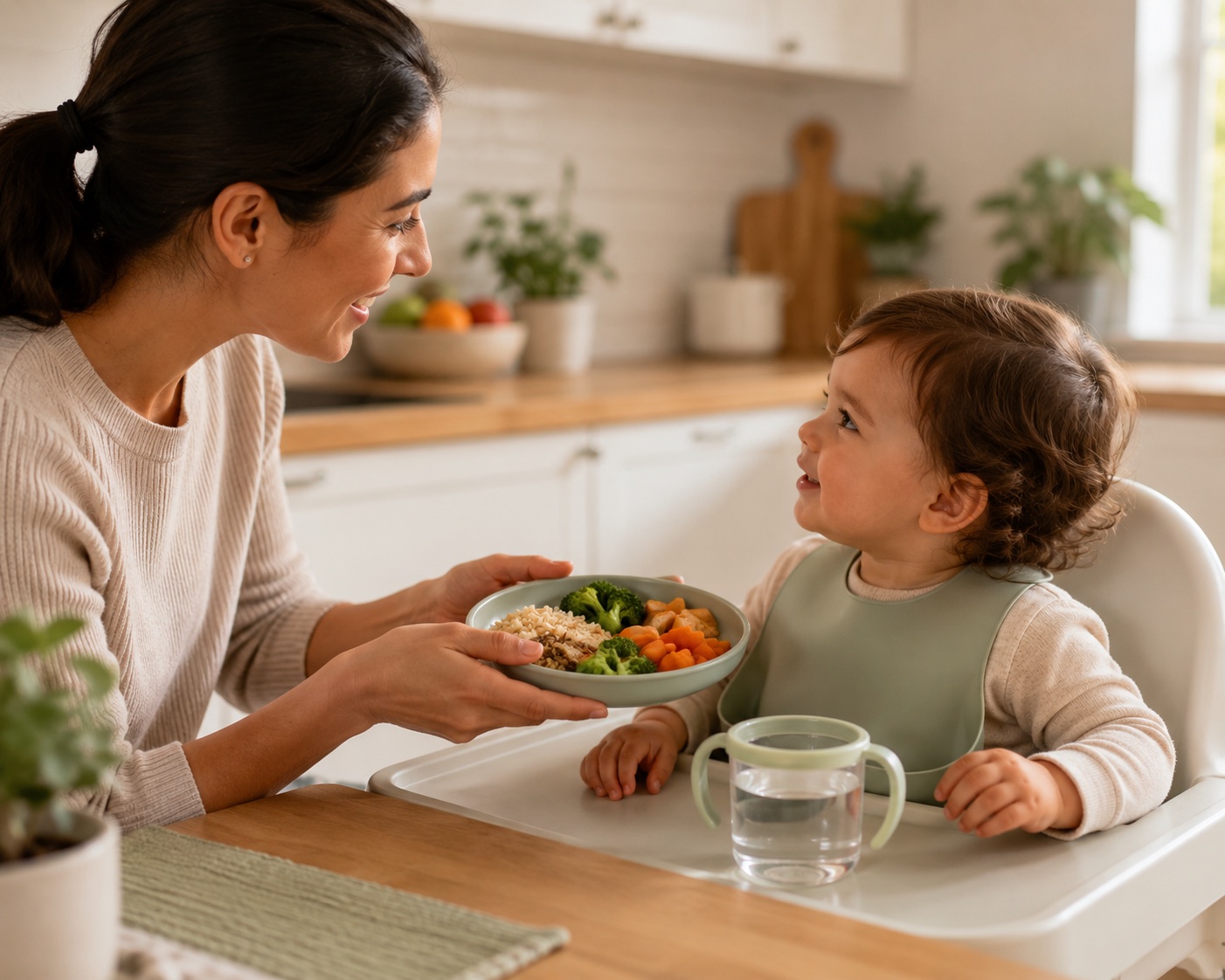
Offer family foods in soft safe textures
Use clean water and safe food handling
Do not force feed
Track weight and height over time
Ask a health worker when growth signals stay low
Questions
Can food alone fix stunting?
No single food list can promise that. Stunting is a longer-term growth signal and needs context, follow-up and local health guidance.
Are eggs required?
Eggs are useful where eaten, but families can use other protein sources depending on culture, access and tolerance.
When should food advice not wait?
Very low MUAC, swelling, poor appetite, repeated vomiting, fever, lethargy or rapid weight loss should be discussed with a health worker promptly.